
Class 5 hazmat refers to materials that release oxygen or promote combustion even without an external ignition source. Unlike flammable liquids or gases, these substances may not burn themselves, but they can cause other materials to ignite or explode if handled improperly. There are two main types of Class 5 dangerous goods:
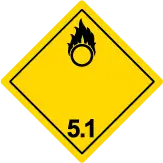
Class 5.1: Oxidizing Substances
Class 5.1 hazardous materials are oxidizing substances that, while not flammable themselves, release oxygen and can greatly intensify the combustion of other materials. These substances may exist in solid or liquid form and often react violently when exposed to heat or incompatible chemicals.
Common examples include:
- Ammonium nitrate
- Calcium hypochlorite
- Potassium permanganate
- Sodium nitrate
- Hydrogen peroxide (concentrated)
- Nitric acid and similar oxidizers
They play a key role in industries such as mining, chemical manufacturing, and water treatment.
Class 5.2: Organic Peroxides
Class 5.2 dangerous goods include organic peroxides, which contain both fuel and oxidizer components within a single molecule. These chemicals are thermally unstable and may react explosively when exposed to heat, friction, or contamination.
Generally, they fall into two main types depending on temperature requirements:
- Packing1: Do not require temperature control
- Packing 2: Require temperature control
Because decomposition can accelerate rapidly with heat or impurities, maintaining a stable temperature throughout storage and transport is essential for safety.
Typical hazmat Class 5.2 examples:
- Methyl ethyl ketone peroxide (MEKP)
- Benzoyl peroxide and diacetyl peroxide
- Organic peroxy acids
- Polymerization initiators used in plastics and resins

At Airsupply, our DG-certified specialists manage every stage, from temperature control and packaging to documentation and customs clearance. We ensure safe, compliant Class 5 hazmat shipping from China to worldwide destinations.